The Future of Medical Staffing in Healthcare Systems
The healthcare industry is undergoing rapid transformation, and one of the most critical areas experiencing change is workforce management. As patient demands rise, technology advances, and regulations evolve, the future of medical staffing in healthcare is becoming a top priority for clinics, hospitals, and healthcare organizations worldwide.
Medical staffing is no longer just about filling open positions. It now involves strategic workforce planning, flexibility, technology integration, and long-term sustainability. Healthcare systems that fail to adapt to these changes risk staff burnout, reduced quality of care, and operational inefficiencies.
This blog explores how medical staffing is evolving, the challenges healthcare systems face, and what the future holds for medical staffing in healthcare.
Understanding the Changing Landscape of Medical Staffing
Healthcare staffing has traditionally relied on permanent, on-site professionals working fixed schedules. However, shifts in patient expectations, provider shortages, and care delivery models have reshaped this approach.
The future of medical staffing in healthcare emphasizes adaptability, skill optimization, and efficient workforce deployment. Healthcare systems are now balancing permanent staff, temporary professionals, remote specialists, and technology-driven support to meet care demands.
Why Medical Staffing Is a Growing Concern in Healthcare Systems
Healthcare organizations are facing unprecedented pressure due to staffing shortages and increasing service demands. Several factors contribute to this growing concern:
Aging populations requiring more medical services
Rising clinician burnout and turnover
Increased demand for specialized care
Regulatory and compliance requirements
Expansion of telehealth and outpatient services
As these pressures intensify, healthcare systems must rethink how they recruit, manage, and retain medical professionals.
Future of Medical Staffing in Healthcare and Workforce Shortages
One of the most defining aspects of the future of medical staffing in healthcare is addressing workforce shortages. Many healthcare systems struggle to hire qualified professionals, particularly nurses, medical assistants, billing specialists, and administrative staff.
Shortages are not limited to clinical roles. Non-clinical positions such as medical billing, coding, credentialing, and practice management are equally critical to smooth operations. Staffing gaps in these areas can disrupt revenue cycles and patient experiences.
Healthcare organizations are increasingly turning to staffing partners, outsourcing solutions, and flexible workforce models to bridge these gaps.
The Rise of Flexible and Hybrid Staffing Models
The traditional full-time staffing model is evolving. Flexibility is becoming a cornerstone of modern healthcare workforce strategies.
In the coming years, healthcare systems will rely more on:
Per diem and contract-based professionals
Travel healthcare staff
Hybrid roles combining on-site and remote work
Outsourced administrative and operational teams
The future of medical staffing in healthcare favors adaptable staffing structures that can scale based on patient volume, seasonal demand, and specialty needs.
Technology’s Role in the Future of Medical Staffing in Healthcare
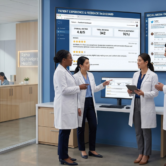
Technology is reshaping how healthcare systems manage staffing. Advanced tools are helping organizations forecast staffing needs, optimize schedules, and reduce administrative burdens.
Artificial intelligence and automation are improving workforce planning by analyzing patient flow, appointment trends, and staff availability. These insights allow healthcare leaders to make data-driven staffing decisions.
Digital platforms also simplify recruitment, credentialing verification, onboarding, and performance tracking, making staffing processes faster and more reliable.
Telehealth and Remote Staffing Opportunities
The expansion of telehealth has opened new possibilities for medical staffing. Providers are no longer restricted by geography, allowing healthcare systems to access talent from broader regions.
Remote staffing is especially impactful for:
Telemedicine physicians and specialists
Medical billing and coding professionals
Care coordinators and patient support staff
Practice management and administrative roles
As telehealth continues to grow, the future of medical staffing in healthcare will increasingly include remote and virtual roles that support patient care and operational efficiency.
Impact of Medical Staffing on Patient Care Quality
Staffing decisions directly influence patient outcomes. Understaffed facilities often experience longer wait times, rushed appointments, and increased error rates.
Healthcare systems focusing on the future understand that proper staffing improves:
Patient satisfaction
Continuity of care
Clinical accuracy
Provider morale and engagement
A well-structured staffing strategy ensures that healthcare professionals have manageable workloads, allowing them to deliver high-quality, patient-centered care.
Credentialing and Compliance in Future Staffing Models
As staffing becomes more flexible, credentialing and compliance take on greater importance. Healthcare systems must ensure that every professional meets payer, regulatory, and licensing requirements.
The future of medical staffing in healthcare demands streamlined credentialing processes that support faster onboarding without compromising compliance. Digital credentialing systems and specialized staffing partners play a vital role in maintaining accuracy and reducing delays.
Addressing Burnout and Retention Challenges
Burnout remains one of the biggest threats to the healthcare workforce. Long hours, administrative burdens, and emotional stress have led many professionals to leave the industry.
Forward-thinking healthcare systems are prioritizing staff well-being by:
Implementing balanced schedules
Reducing administrative workload through outsourcing
Offering mental health support programs
Creating career development opportunities
Retention strategies will be just as important as recruitment in shaping the future workforce.
The Role of Medical Staffing Partners in Healthcare Systems
As staffing challenges grow more complex, healthcare organizations increasingly rely on specialized staffing partners. These partners provide access to qualified professionals, industry expertise, and scalable solutions.
Medical staffing partners help healthcare systems:
Fill critical staffing gaps quickly
Reduce hiring and onboarding time
Ensure compliance and credentialing accuracy
Maintain continuity during peak demand
For organizations like May Medical Solutions, supporting healthcare systems with strategic staffing solutions ensures operational stability and long-term success.
Financial Impact of Medical Staffing Decisions
Staffing inefficiencies can significantly affect healthcare finances. Overtime costs, high turnover, and delayed services can strain budgets and reduce profitability.
The future of medical staffing in healthcare focuses on cost-effective workforce management that balances quality care with financial sustainability. Optimized staffing reduces revenue leakage, improves workflow efficiency, and supports better financial planning.
Future Skills and Workforce Development
Healthcare staffing is not just about numbers; it’s about skills. As technology becomes more integrated into care delivery, healthcare professionals must adapt.
Future staffing strategies emphasize:
Continuous training and upskilling
Technology literacy for clinical and administrative staff
Cross-functional roles and responsibilities
Leadership development within healthcare teams
Healthcare systems that invest in workforce development will remain competitive and resilient.
Diversity and Inclusion in Medical Staffing
Diversity is becoming a key focus in healthcare workforce planning. Inclusive staffing practices improve communication, cultural competence, and patient trust.
The future workforce will prioritize diversity across roles, leadership positions, and specialties, ensuring healthcare systems better reflect the communities they serve.
Preparing Healthcare Systems for the Future of Medical Staffing
To stay ahead, healthcare organizations must proactively plan for workforce changes rather than react to shortages. Strategic staffing planning includes:
Analyzing long-term workforce needs
Partnering with reliable staffing providers
Embracing technology-driven staffing tools
Creating flexible and supportive work environments
Preparation today will determine success in tomorrow’s healthcare landscape.
Conclusion
The future of medical staffing in healthcare is defined by flexibility, technology integration, and strategic workforce planning. As healthcare systems face increasing demands and ongoing shortages, staffing will play a decisive role in operational success and patient outcomes.
Healthcare organizations that adapt to evolving staffing models, prioritize workforce well-being, and leverage expert staffing solutions will be best positioned to thrive. With the right approach, medical staffing can become a strength rather than a challenge, supporting sustainable growth and high-quality care across healthcare systems.