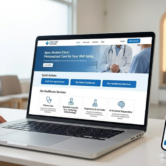
In today’s digital-first world, patients expect convenience, accessibility, and instant information when choosing a healthcare provider. Traditional methods of patient interaction are no longer sufficient to meet these expectations. A professional online presence has become essential for medical practices that want to remain competitive and accessible.
This is where understanding how a medical website improves patient engagement becomes crucial. A well-designed website acts as a bridge between healthcare providers and patients, offering seamless communication, easy access to information, and a more personalized experience. Practices that invest in modern websites are better positioned to attract, engage, and retain patients.
The Role of a Medical Website in Modern Healthcare
A medical website is more than just an online brochure. It serves as a central hub where patients can learn about services, book appointments, and interact with healthcare providers.
When designed effectively, a website enhances communication and builds trust. It provides patients with the information they need to make informed decisions about their care.
Why Website Improves Patient Engagement in Healthcare
Accessibility and Convenience
One of the primary reasons a website improves patient engagement is accessibility. Patients can access information anytime, from anywhere, without needing to call or visit the clinic.
This convenience encourages more interaction and makes it easier for patients to stay connected with healthcare providers.
Better Communication Channels
Modern medical websites offer multiple communication options, including contact forms, chat features, and appointment scheduling tools. These features make it easier for patients to reach out and receive timely responses.
Improved communication leads to stronger relationships and higher patient satisfaction.
Increased Patient Trust
A professional and informative website builds credibility. Patients are more likely to trust providers who present clear, accurate, and up-to-date information online.
Trust plays a significant role in patient engagement and long-term loyalty.
Key Features That Enhance Patient Engagement
Online Appointment Scheduling
Allowing patients to book appointments online is one of the most effective ways to improve engagement. It eliminates the need for phone calls and reduces waiting time.
Patients appreciate the flexibility of choosing appointment slots that suit their schedules.
Mobile-Friendly Design
Most patients access websites through mobile devices. A responsive design ensures that the website functions smoothly on all screen sizes.
A mobile-friendly experience keeps users engaged and reduces bounce rates.
Fast Loading Speed
Website speed directly impacts user experience. Slow-loading pages can frustrate users and cause them to leave.
A fast website ensures that patients can quickly find the information they need.
Informative Content
Providing valuable content such as service details, FAQs, and health information helps patients make informed decisions.
Well-written content keeps visitors engaged and encourages them to explore further.
How Website Improves Patient Engagement Through User Experience
User experience plays a crucial role in engagement. A well-structured website with clear navigation allows patients to find information quickly.
Simple menus, clear headings, and intuitive layouts make it easier for users to interact with the site. When patients have a positive experience, they are more likely to return and recommend the practice to others.
Comparison Table: Traditional vs Website-Based Engagement
| Factor | Traditional Methods | Website-Based Engagement |
|---|---|---|
| Accessibility | Limited | 24/7 availability |
| Communication | Phone-based | Multi-channel |
| Patient Experience | Basic | Interactive and personalized |
| Convenience | Low | High |
| Engagement Level | Moderate | High |
Role of SEO in Patient Engagement
Search engine optimization (SEO) ensures that a medical website appears in search results when patients look for healthcare services.
By using relevant keywords and optimizing content, practices can attract more visitors to their website. Increased visibility leads to higher engagement and more patient inquiries.
SEO also helps target local patients, making it easier for nearby individuals to find the practice.
How Website Improves Patient Engagement with Digital Integration
Modern websites can integrate with various digital tools, such as:
- Electronic health records (EHR)
- Online payment systems
- Telehealth platforms
These integrations create a seamless experience for patients, allowing them to manage their healthcare needs in one place.
Impact on Patient Retention
Engagement is not just about attracting new patients; it is also about retaining existing ones. A well-designed website keeps patients informed and connected, encouraging repeat visits.
Features such as newsletters, updates, and personalized communication help maintain long-term relationships.
Common Mistakes That Reduce Engagement
Some medical websites fail to engage patients due to poor design and functionality. Common issues include:
- Outdated information
- Complicated navigation
- Lack of mobile optimization
- Slow loading speed
Avoiding these mistakes is essential for maintaining a high level of engagement.
How Professional Web Development Helps
Professional web development services ensure that medical websites are designed with both functionality and user experience in mind.
Companies like MAY Medical Solutions provide tailored web solutions that include:
- Modern design
- SEO optimization
- User-friendly interfaces
- Secure systems
These services help practices create websites that effectively engage patients and support business growth.
Future Trends in Medical Websites
The future of medical websites includes advanced features such as:
- AI-powered chatbots
- Personalized user experiences
- Voice search optimization
- Interactive patient portals
These innovations will further enhance patient engagement and improve overall healthcare delivery.
Long-Term Benefits of a Strong Medical Website
A well-designed website offers long-term benefits, including increased patient acquisition, improved satisfaction, and better operational efficiency.
Over time, it becomes a valuable asset that supports both marketing and patient care efforts.
Conclusion
Understanding how a medical website improves patient engagement is essential for healthcare providers looking to grow in a digital environment. A professional website enhances accessibility, communication, and trust, leading to stronger patient relationships.
By investing in the right features and ensuring a seamless user experience, medical practices can significantly improve engagement and achieve long-term success.
FAQs
How does a medical website improve patient engagement
It provides easy access to information, improves communication, and allows patients to interact with healthcare providers conveniently.
Why is a mobile-friendly website important
Most patients use mobile devices, so a responsive design ensures a better user experience and higher engagement.
Can a website help attract new patients
Yes, an optimized website improves visibility and brings more potential patients to the practice.
What features are essential for engagement
Online booking, fast loading speed, clear navigation, and informative content are key features.
Should medical practices invest in professional web development
Yes, professional services ensure better design, functionality, and long-term results.