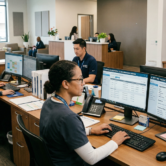
Medical Staffing Strategies for Hospitals in 2026
Hospitals across the healthcare industry are facing one of their most critical challenges: maintaining a skilled, reliable, and sustainable workforce in an increasingly complex environment. Rising patient demand, workforce shortages, burnout, regulatory pressures, and evolving care models have made staffing one of the most strategic priorities for hospital leadership. This is why medical staffing strategies are no longer just operational decisions—they are long-term business and care delivery strategies.
In 2026, hospitals that succeed will be those that adopt flexible, data-driven, and future-ready staffing approaches. Effective medical staffing strategies not only ensure adequate coverage but also improve patient outcomes, enhance staff satisfaction, and support financial stability.
This blog explores the most effective medical staffing strategies for hospitals, why they matter, and how healthcare organizations can build resilient workforce models for the future.
Understanding the Importance of Medical Staffing Strategies
Medical staffing refers to how hospitals recruit, schedule, manage, and retain healthcare professionals, including physicians, nurses, allied health staff, and administrative personnel. Poor staffing decisions can lead to longer wait times, compromised patient care, compliance risks, and staff burnout.
Strong medical staffing strategies create balance. They ensure the right professionals are available at the right time, with the right skills, without overburdening teams or inflating costs. In today’s healthcare landscape, staffing decisions directly impact hospital reputation, quality metrics, and financial performance.
Why Hospitals Must Rethink Staffing Models in 2026
Traditional staffing models are no longer sufficient. Hospitals are dealing with fluctuating patient volumes, workforce shortages, and changing care delivery methods such as telehealth and outpatient expansion.
Medical staffing strategies in 2026 must be:
- Flexible enough to adapt to demand changes
- Scalable to support growth and specialization
- Sustainable to reduce burnout and turnover
- Data-driven to support informed decision-making
Hospitals that rely solely on rigid schedules or outdated workforce planning risk inefficiency and workforce dissatisfaction.
Workforce Shortages and Their Impact on Hospitals
One of the biggest drivers behind evolving medical staffing strategies is the ongoing healthcare workforce shortage. Hospitals are struggling to recruit and retain qualified professionals, particularly nurses and specialized clinicians.
Staff shortages increase workload for existing teams, leading to fatigue, reduced morale, and higher turnover rates. This cycle not only affects care quality but also increases recruitment and training costs.
Modern medical staffing strategies focus on long-term workforce planning rather than short-term fixes.
Strategic Workforce Planning for Hospitals
Effective medical staffing strategies begin with workforce planning. Hospitals must analyze patient demographics, service demand, peak hours, and specialty requirements to predict staffing needs accurately.
Data-driven planning allows hospitals to:
- Anticipate staffing gaps before they occur
- Align staffing levels with patient volume
- Reduce reliance on last-minute scheduling
- Optimize labor costs
Workforce planning transforms staffing from reactive to proactive.
Flexible Scheduling as a Core Staffing Strategy
Flexibility is no longer optional in hospital staffing. Rigid schedules contribute to burnout and limit workforce engagement.
Medical staffing strategies that include flexible scheduling, such as rotating shifts, part-time roles, per-diem staff, and self-scheduling, help hospitals maintain coverage while supporting work-life balance.
Flexible staffing models improve staff satisfaction and retention, which is critical in a competitive labor market.
Leveraging Technology in Medical Staffing Strategies
Technology plays a central role in modern hospital staffing. Workforce management systems, predictive analytics, and automated scheduling tools are transforming how hospitals allocate resources.
Advanced staffing platforms help hospitals:
- Forecast patient demand
- Optimize shift assignments
- Track staff availability and credentials
- Reduce manual scheduling errors
In 2026, technology-enabled medical staffing strategies will be essential for operational efficiency and workforce sustainability.
The Role of Temporary and Contract Staffing
Temporary staffing and locum tenens professionals are becoming integral to hospital workforce planning. While not a replacement for permanent staff, these resources provide flexibility during peak demand, leaves, or shortages.
Strategic use of temporary staffing helps hospitals maintain care quality without overextending full-time teams. Successful medical staffing strategies balance permanent and temporary staff to control costs while ensuring continuity of care.
Retention-Focused Medical Staffing Strategies
Recruitment alone cannot solve staffing challenges. Retention is equally, if not more, important.
Hospitals that invest in retention-focused medical staffing strategies prioritize:
- Competitive compensation
- Career development and training
- Supportive leadership
- Manageable workloads
Reducing turnover stabilizes operations, improves team morale, and lowers recruitment expenses.
Addressing Burnout Through Smarter Staffing
Burnout is one of the most serious threats to hospital workforce stability. Excessive workloads, understaffing, and administrative burden contribute to physical and emotional exhaustion.
Medical staffing strategies that address burnout focus on balanced workloads, adequate rest periods, and efficient workflows. When staffing levels are aligned with patient demand, staff can deliver better care without compromising their well-being.
Specialty-Based Staffing Strategies
Hospitals offer a wide range of specialized services, each with unique staffing requirements. One-size-fits-all staffing models often fail to address these complexities.
Effective medical staffing strategies account for specialty-specific needs, such as critical care, emergency services, behavioral health, and surgical departments. Tailored staffing ensures that specialized units remain efficient and compliant.
Compliance and Credentialing in Hospital Staffing
Staffing decisions must align with regulatory and credentialing requirements. Hospitals must ensure that all professionals are properly licensed, credentialed, and trained.
Modern staffing strategies integrate credentialing tracking and compliance checks into workforce management systems. This reduces risk, supports audits, and ensures uninterrupted patient care.
Compliance-driven medical staffing strategies protect hospitals from legal and financial consequences.
Financial Impact of Medical Staffing Strategies
Labor is one of the largest expenses for hospitals. Inefficient staffing leads to overtime costs, agency dependency, and revenue loss due to service disruptions.
Well-designed medical staffing strategies help hospitals control labor costs while maintaining care quality. Optimized staffing reduces unnecessary overtime and improves budget predictability.
Financial sustainability is a direct outcome of effective staffing management.
Staffing Strategies for Patient-Centered Care
Patient experience is closely tied to staffing levels. Understaffed units often result in longer wait times, reduced communication, and lower patient satisfaction.
Medical staffing strategies that prioritize patient-centered care ensure adequate coverage, timely interventions, and consistent communication. When staff are not overwhelmed, they can focus on delivering compassionate, high-quality care.
Preparing Hospitals for the Future Workforce
The future healthcare workforce will be more diverse, technologically skilled, and flexible. Hospitals must adapt staffing strategies to attract and retain next-generation professionals.
Future-ready medical staffing strategies emphasize digital tools, flexible work models, continuous learning, and supportive work environments. Hospitals that evolve with workforce expectations will remain competitive.
The Role of Strategic Partners in Staffing
Many hospitals partner with external experts to support workforce planning and staffing optimization. These partners provide access to specialized talent, technology, and industry best practices.
Strategic collaboration enhances internal capabilities and strengthens long-term staffing outcomes.
Conclusion
In 2026, medical staffing strategies will define the success of hospitals more than ever before. Staffing is no longer just about filling shifts, it is about building resilient, efficient, and patient-focused healthcare organizations.
Hospitals that adopt flexible, technology-driven, and retention-focused staffing approaches will be better equipped to handle workforce challenges while delivering high-quality care. By investing in modern medical staffing strategies today, hospitals can secure a sustainable future for both their workforce and their patients.