
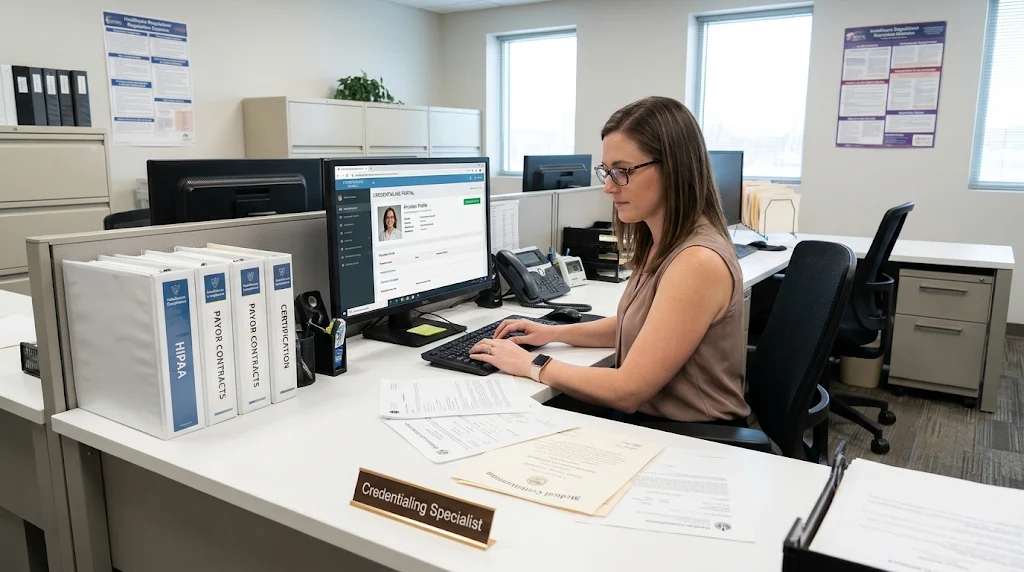
Medical billing success depends on more than accurate coding, timely claim submission, and efficient payment processing. Behind every successful reimbursement process is an essential administrative foundation: provider credentialing. The Importance of Credentialing becomes particularly clear when healthcare organizations experience delayed payments, rejected claims, or difficulties participating in insurance networks. Without proper credentialing, even well-managed billing operations can face unnecessary financial challenges.
Understanding the Importance of Credentialing helps medical practices establish reliable relationships with insurance companies and maintain consistent reimbursement processes. It also ensures that healthcare providers meet the professional qualifications and participation requirements established by insurance networks. The Importance of Credentialing extends beyond administrative documentation because it directly influences how healthcare services are billed and reimbursed. Recognizing the Importance of Credentialing allows medical practices to strengthen their financial operations while maintaining professional and regulatory standards.
What Is Medical Credentialing?
Medical credentialing is the process of verifying a healthcare provider’s professional qualifications, education, training, licenses, certifications, work history, and other relevant credentials. Insurance companies use this process to determine whether a provider meets their requirements for participating in their healthcare networks.
Credentialing is an important part of healthcare administration because insurance organizations need reliable information before recognizing providers as eligible participants in their networks. The process may involve primary source verification, professional background reviews, license validation, and other documentation requirements.
Although credentialing and insurance enrollment are closely connected, they are not identical. Credentialing focuses on verifying a provider’s qualifications, while payer enrollment establishes the provider’s participation and billing relationship with an insurance company.
Both processes must be handled correctly to support an efficient medical billing operation.
Why Credentialing Is Important for Medical Billing Success
Medical billing depends on accurate provider information and compliance with insurance company requirements. When credentialing is incomplete or outdated, healthcare organizations may experience reimbursement interruptions and administrative complications.
The Importance of Credentialing becomes especially significant when providers begin working with new insurance networks or expand their services to additional locations.
1. Prevents Claim Denials and Rejections
Claim denials are among the most common financial challenges faced by healthcare organizations. While denials can occur for several reasons, incorrect provider enrollment information or incomplete credentialing can create significant billing problems.
Insurance companies generally require providers to complete their credentialing and enrollment requirements before submitting claims under applicable network arrangements. If a provider is not properly recognized within the payer’s system, claims may be rejected or denied.
Understanding the Importance of Credentialing helps medical practices reduce preventable administrative errors and establish a stronger foundation for accurate claim submission.
2. Supports Timely Insurance Reimbursements
Consistent cash flow is essential for maintaining healthcare operations. Medical practices depend on insurance reimbursements to cover staffing expenses, administrative costs, equipment, and other operational requirements.
Incomplete credentialing can delay a provider’s ability to participate in an insurance network, potentially affecting when claims can be submitted and paid under the relevant payer agreement.
The Importance of Credentialing is therefore closely connected to revenue cycle management. Completing credentialing requirements accurately and monitoring enrollment progress can help practices avoid unnecessary interruptions in their reimbursement processes.
3. Establishes Insurance Network Participation
Insurance network participation allows healthcare providers to deliver covered services to eligible members under the applicable payer agreement.
However, providers must satisfy the insurance company’s credentialing and enrollment requirements before participating in its network. Each insurance organization may have different application procedures, documentation standards, and approval requirements.
The Importance of Credentialing lies in ensuring that providers are properly evaluated and recognized before billing for services under applicable network arrangements.
This process also helps healthcare organizations maintain accurate relationships with insurance companies and manage their participation status effectively.
4. Improves Revenue Cycle Management
Revenue cycle management involves managing the financial journey of a patient’s healthcare services, from registration and insurance verification to claim submission and final payment collection.
Credentialing is an important administrative component of this process. When provider information is incomplete, billing departments may encounter claim submission issues, payment delays, and additional follow-up work.
Recognizing the Importance of Credentialing allows healthcare organizations to address potential enrollment problems before they affect the billing cycle.
A well-organized credentialing process also improves communication between administrative teams, billing professionals, and insurance representatives.
How Credentialing Affects the Financial Performance of Medical Practices
Financial stability is a major priority for healthcare organizations. Even when providers deliver quality services and billing teams follow established procedures, administrative gaps can affect revenue generation.
Credentialing plays a direct role in maintaining the administrative conditions required for successful insurance billing.
Reduces Revenue Leakage
Revenue leakage occurs when healthcare organizations fail to collect payments they are entitled to receive because of administrative inefficiencies, billing errors, or missed reimbursement opportunities.
Credentialing-related issues can contribute to this problem when providers are not properly enrolled or their payer information is inaccurate.
The Importance of Credentialing becomes evident when practices evaluate the financial consequences of incomplete enrollment. Addressing credentialing requirements early can help minimize avoidable billing complications and protect expected revenue.
Minimizes Administrative Costs
Managing denied claims and resolving insurance-related issues requires time and resources. Billing professionals may need to investigate provider enrollment status, communicate with insurance companies, correct records, and resubmit eligible claims.
These additional activities increase administrative workloads and can reduce overall billing efficiency.
The Importance of Credentialing is not limited to reimbursement. Proper credentialing management can also reduce unnecessary administrative work, allowing billing teams to concentrate on claim accuracy, payment posting, and accounts receivable management.
Creates More Predictable Cash Flow
Healthcare organizations need predictable revenue to manage their daily operations effectively. Delays in provider enrollment can create uncertainty about reimbursement timelines and affect financial planning.
Maintaining accurate credentialing records and monitoring payer application progress helps practices identify potential problems before they create larger financial disruptions.
This is one of the reasons the Importance of Credentialing should be considered during financial planning and revenue cycle management rather than treated as an isolated administrative responsibility.
Key Steps Involved in the Medical Credentialing Process
Credentialing requires careful coordination, accurate documentation, and consistent communication with relevant organizations. Although specific requirements vary by payer and provider type, the process generally involves several important stages.
1. Collecting Provider Information
The first stage involves gathering the professional and personal information required for credentialing applications.
Documentation may include medical education records, professional licenses, board certifications, training history, work experience, and other relevant qualifications.
Accuracy is essential because missing or inconsistent information can result in additional verification requests and application delays.
2. Verifying Professional Qualifications
Insurance companies and credentialing organizations review provider information to confirm that professional qualifications meet their requirements.
This verification may involve checking licensing information, education, training, board certification, and other relevant records through appropriate primary sources.
Thorough verification supports the integrity of the credentialing process and helps ensure that provider records are accurate.
3. Completing Insurance Applications
After the necessary information has been collected and verified, credentialing applications can be prepared and submitted to the appropriate insurance companies.
Providers may need to complete payer-specific applications and maintain updated information through relevant credentialing platforms.
The Importance of Credentialing is particularly relevant during this stage because application accuracy can influence processing efficiency and the overall enrollment experience.
4. Following Up With Insurance Companies
Submitting an application does not necessarily mean that credentialing is complete. Insurance companies may request additional documentation, clarification, or corrections during their review.
Regular follow-ups help practices monitor application progress and respond to outstanding requirements.
Maintaining organized records of submissions and payer communications can make this process more manageable.
5. Confirming Approval and Enrollment Status
Once the insurance company completes its review, the provider’s participation status should be confirmed.
Healthcare organizations should verify the effective date, applicable network participation, provider information, and any relevant billing instructions.
This step is important because approval, effective dates, and billing eligibility may differ across insurance organizations and arrangements.
Common Medical Credentialing Challenges
Despite its importance, credentialing can become a complicated process for healthcare organizations, particularly when multiple providers and insurance networks are involved.
Some of the most common challenges include:
Incomplete Documentation
Missing documents and inconsistent provider information can delay applications. Healthcare organizations need a structured documentation process to ensure that all required information is available before submission.
Long Processing Times
Insurance companies follow different review procedures, and processing times can vary. Delays may affect provider participation and create uncertainty for billing departments.
Expired Licenses and Certifications
Professional licenses and certifications must remain current according to applicable requirements. Failure to monitor expiration dates can create credentialing and participation problems.
Changing Insurance Requirements
Payer requirements and application procedures may change over time. Credentialing teams must stay informed about relevant updates to maintain accurate provider records.
Poor Communication and Follow-Up
Insufficient communication between providers, administrative staff, credentialing specialists, and insurance representatives can slow down the process. Clear responsibility and consistent follow-up help prevent unnecessary delays.
Best Practices for Improving Credentialing Efficiency
Healthcare organizations can improve credentialing operations by establishing consistent procedures and maintaining accurate provider information.
A proactive approach is particularly valuable because credentialing problems are often easier to address before they affect claim submission and reimbursement.
Maintain Centralized Provider Records
Keeping provider information organized in a centralized system helps administrative teams access important documents and track credentialing requirements.
Records should be reviewed regularly to identify missing information, expired credentials, and upcoming renewal requirements.
Monitor Application Progress
Healthcare organizations should maintain a tracking system for submitted applications, outstanding documentation, payer responses, and approval status.
Regular monitoring improves visibility and helps teams identify applications that require additional attention.
Prioritize Recredentialing
Credentialing is not necessarily a one-time activity. Insurance companies may require periodic recredentialing to confirm that providers continue to meet participation standards.
Maintaining a renewal schedule helps practices avoid preventable participation interruptions.
Improve Coordination Between Departments
Credentialing teams should communicate effectively with billing, human resources, practice management, and administrative departments.
This coordination helps ensure that provider information remains consistent throughout the organization and that billing teams understand relevant enrollment updates.
How Professional Credentialing Services Support Medical Billing
Managing credentialing internally can require considerable time, administrative resources, and knowledge of insurance company requirements. For growing healthcare practices, these responsibilities can become increasingly difficult to manage alongside daily operations.
Professional credentialing services provide specialized support for managing provider applications, documentation, insurance enrollment, follow-ups, and ongoing credential maintenance.
The Importance of Credentialing becomes even more apparent when healthcare organizations consider the value of professional assistance in maintaining accurate records and managing payer relationships.
Experienced credentialing specialists understand the administrative requirements involved in provider enrollment and can help practices organize the process more effectively.
At May Medical Solutions, credentialing support is part of a broader range of healthcare administrative and revenue cycle management solutions. The company helps medical practices manage essential operational responsibilities so that providers and administrative teams can focus on their core responsibilities.
By integrating credentialing with medical billing and revenue cycle management, healthcare organizations can improve coordination between enrollment activities and reimbursement operations.
Professional support can also help practices manage documentation requirements, monitor application progress, and maintain updated provider information.
The Connection Between Credentialing, Compliance, and Provider Qualifications
Credentialing is not simply a financial requirement. It also supports professional accountability and helps insurance organizations evaluate whether providers meet established participation standards.
Healthcare organizations must maintain accurate records and follow applicable federal, state, and payer-specific requirements.
For Medicare participation, provider enrollment is managed through the Centers for Medicare & Medicaid Services (CMS), including its Provider Enrollment, Chain, and Ownership System (PECOS). Commercial insurers generally maintain their own credentialing and enrollment procedures.
The Importance of Credentialing therefore extends to maintaining reliable provider information, supporting compliance responsibilities, and reducing the risk of administrative problems associated with inaccurate or outdated records.
Practices should also understand that credentialing approval does not automatically guarantee payment for every service. Reimbursement remains subject to applicable coverage policies, provider contracts, patient eligibility, authorization requirements, coding rules, and other payer conditions.
Maintaining accurate credentialing records is an essential part of responsible healthcare administration.
Frequently Asked Questions
1. Why Is Credentialing Important in Medical Billing?
Credentialing helps insurance companies verify provider qualifications and determine eligibility for network participation. Proper credentialing supports accurate provider enrollment, reduces preventable claim problems, and helps maintain consistent reimbursement operations.
2. What Happens If a Healthcare Provider Is Not Credentialed?
An uncredentialed provider may not be eligible to participate in certain insurance networks or submit claims under applicable payer arrangements. This can result in reimbursement limitations, claim denials, and administrative complications.
3. How Long Does Medical Credentialing Take?
Credentialing timelines vary depending on the insurance company, provider qualifications, application completeness, and verification requirements. Some applications may take several weeks or longer, so practices should plan ahead and monitor their progress.
4. Is Credentialing a One-Time Process?
No. Credentialing may require periodic recredentialing and continuous maintenance of professional information. Providers must keep relevant licenses, certifications, and enrollment records updated according to applicable requirements.
5. Can Professional Credentialing Services Improve Medical Billing?
Yes. Professional credentialing services can help healthcare organizations manage applications, verify documentation, monitor payer enrollment, and maintain provider records. Better coordination between credentialing and billing can reduce administrative complications and support more efficient revenue cycle management.
Strengthen Your Medical Billing Operations With May Medical Solutions
Successful medical billing requires attention to every stage of the revenue cycle, including provider enrollment and credentialing. When these administrative responsibilities are managed properly, healthcare organizations can reduce preventable billing complications, improve operational coordination, and establish a stronger foundation for financial stability.
The Importance of Credentialing should never be overlooked when developing an effective medical billing strategy. Accurate provider information, timely application management, and ongoing credential maintenance all contribute to more reliable billing operations.
May Medical Solutions provides healthcare organizations with professional medical billing, credentialing, staffing, and revenue cycle management support. Its services are designed to help medical practices manage administrative challenges and improve the efficiency of their operations.
Contact May Medical Solutions to learn how professional credentialing and medical billing support can help your practice build a more organized and sustainable revenue cycle.